When to book Christmas light installation
The calendar, not the budget, is usually what decides whether your house is lit by December.
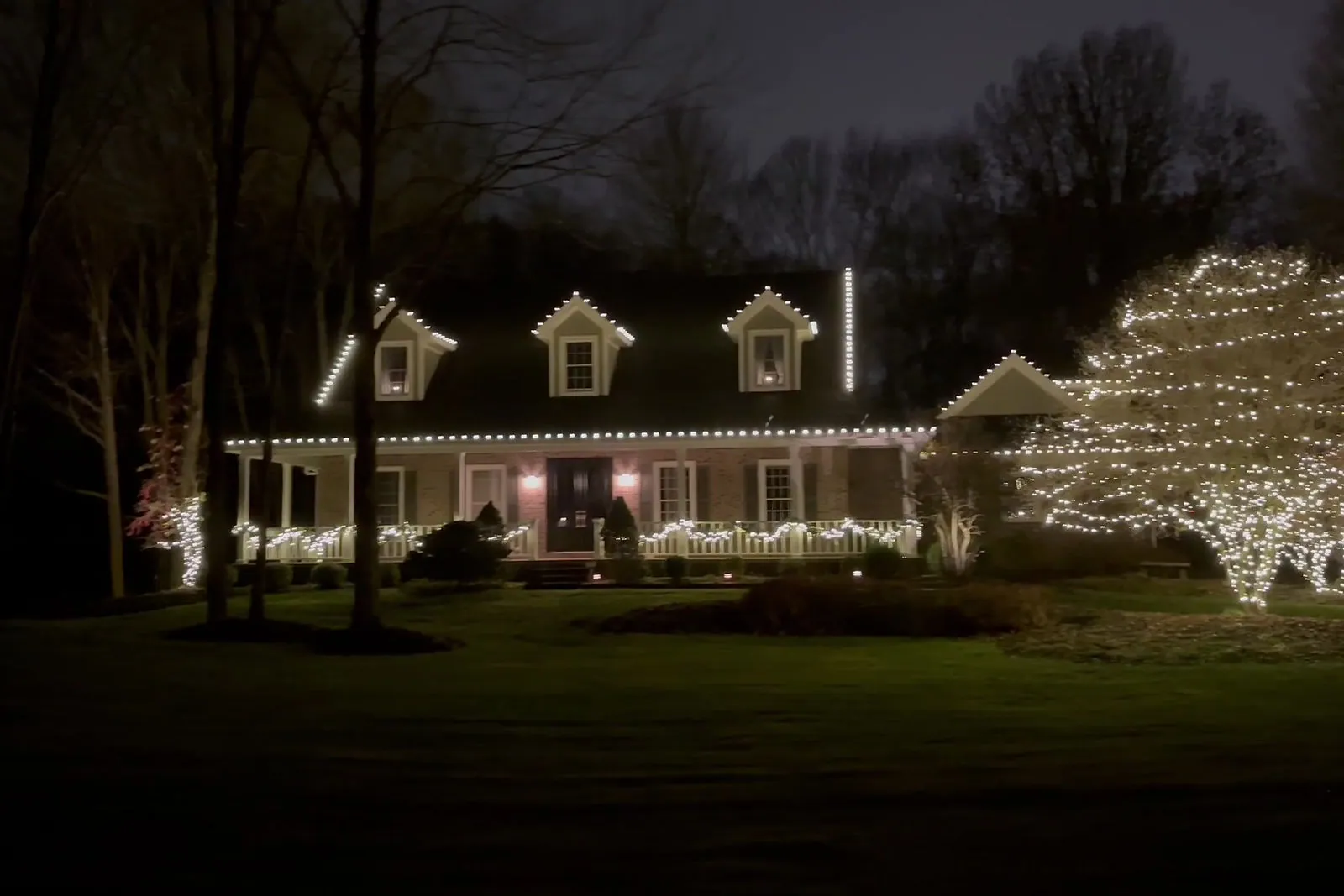
There is a pattern to Christmas lighting in this region, and it repeats every year. Searches for it stay quiet all summer, start climbing in September, and peak through November. Installers fill their calendars the same way, from the front.
So the honest answer to when you should book is earlier than feels necessary. A homeowner who calls in September is usually choosing their install week. A homeowner who calls in the second week of November is taking whatever is left, if anything is.
Why the window is so tight
Christmas lighting is a compressed trade. Almost all of the work across eastern Ohio, western Pennsylvania and northern West Virginia happens between late September and the first week of December. A crew can only be on so many roofs in that stretch, and once the good weekends are spoken for, they are gone.
The weather narrows it further. Nobody installs lights safely in an ice storm, so days get lost and pushed, and every lost day compresses the schedule behind it. Booking early is partly about buying yourself slack for the weather nobody can predict.
A blown deadline in this trade is not recoverable. The season does not wait, and neither does the calendar.
What booking early actually gets you
Nikola rents its displays rather than selling them, which changes the math. The price covers the design, the install, maintenance through the season, the removal in January and storage of your set until the following year. Book once and the parts nobody enjoys become somebody else's problem.
It also means your second season is a phone call. Your set is stored under your name, so the year after, the same crew puts the same display back up without starting from scratch.
The season fills from the front
Christmas light installation runs on a short, front-loaded calendar. Interest climbs sharply from early September and peaks in November, and the install schedule fills the same way. The homes that get the smoothest experience, and their first choice of install date, are almost always the ones that called in early autumn rather than the ones that waited for the first cold snap.
This is a seasonal trade with a hard deadline. Everyone wants the same few weeks, so the calendar is effectively first come, first served once October is underway.
Why September and October are the sweet spot
Booking in September or October buys three things that December cannot. It leaves time to design the display properly, walking the house and settling what gets lit before anyone is under pressure.
It gives you the pick of install dates rather than whatever is left. And it puts the install itself in milder weather, which makes the roof work safer and quicker.
None of that is about paying less. It is about a calmer, better-planned job, and about being certain the house is lit when you want it lit rather than hoping a late slot opens up.
What happens if you wait until December
It is not too late to call in December, but the trade-offs are real. The best dates are gone, the schedule is tight, and the weather is doing the install no favours.
A short, simple display can often still be fitted in. A large or complicated one is harder to place late, because it needs more crew time on a calendar that is already full.
If December has arrived and the house is still dark, the honest advice is to call anyway and take the earliest slot available, then book far earlier next year.
Permanent lighting runs on a different clock
If the goal is to never think about the December calendar again, a permanent roofline system changes the timing question entirely. Because it is wired in and left up, it can be installed across much more of the year, not only in the autumn rush. It still pays to book ahead if you want it finished in time for a particular Christmas, but you are not competing for the same narrow window as seasonal work.
For a lot of homeowners, the frustration of booking late two years running is what finally tips them toward a permanent install.
How the timeline runs once you book
Booking early does not mean the lights go up in September. It means the sequence starts with room to breathe. First is the consultation and the evening demo, where Luke lights the property while you watch and settles the design on the real house.
Then the install is scheduled for the window you want. On install day the display goes up and is commissioned, and from there it is maintained through the season and taken down in January.
The earlier that first conversation happens, the more of the calendar is still open, and the less of December is spent wondering whether it will all come together.
The short version
- September: the best time to call. You pick your install week.
- October: still comfortable, but the good weekends are filling.
- Early November: possible, with less choice of dates.
- Late November: you are hoping for a cancellation.
If you want the house lit for this December, the conversation happens now. Booking a Christmas light installation in early autumn is the difference between choosing your date and chasing one. If you would rather never think about the timing again, a permanent roofline system takes the whole question off the table.